Blog

How Often Should You Service Your Garage Door? Essential Maintenance Guide for Australian Homeowners
By Reliable garage doors
•
March 11, 2026
A garage door off track can be dangerous. Learn the common causes, warning signs, and when to call professional garage door repair Townsville experts.

By Gretel Phillips
•
February 14, 2026
A Simple Guide for Longevity and Performance Your garage door is one of the most frequently used features of your home, yet it often gets overlooked when it comes to maintenance. Proper care and regular maintenance can not only extend the life of your garage door but also prevent costly repairs and ensure safe, smooth operation. Whether you’ve recently upgraded to a new garage door or are looking to improve the performance of your existing one, here’s a comprehensive guide on how to maintain your garage door to keep it running like new. 1. Inspect the Door’s Balance A well-balanced garage door operates more smoothly, puts less strain on the opener, and can last longer. To check the balance of your garage door: Open your door halfway : If it stays in place, it is well balanced. If it drifts up or down, the springs may be out of alignment, which requires professional adjustment. Test the door’s movement : Manually lift the door. If it feels heavy or difficult to move, the springs or cables may need attention. Tip : Avoid adjusting the springs yourself as they are under high tension and can be dangerous. 2. Lubricate the Moving Parts Regular lubrication of the moving components helps prevent friction, reduces wear and tear, and promotes quieter operation. Here's what to lubricate: Tracks : Apply a silicone-based lubricant to the tracks. Rollers and Hinges : Lubricate these with a light oil (e.g., WD-40) or a silicone-based spray to keep them moving freely. Springs : Use a special garage door spring lubricant to keep the torsion springs operating smoothly. Locking Mechanisms : If your garage door has a locking mechanism, make sure it's greased to avoid rust or binding. Tip : Avoid using grease or heavy oils, as these can attract dirt and cause the parts to wear out faster. 3. Inspect and Clean the Tracks The tracks that guide your garage door can accumulate dirt, debris, or even suffer from misalignment. Here’s what to do: Clean the Tracks : Use a damp cloth to wipe away any dirt, dust, or debris. A vacuum cleaner with a hose attachment can help get into hard-to-reach areas. Check for Alignment : Ensure the tracks are aligned properly. If the tracks are crooked or misaligned, your door won’t function properly. A professional technician should adjust the tracks if necessary. 4. Inspect the Garage Door Inspect your garage door for signs of wear and tear that could affect its performance: Inspect the Hinges: Check the hinges for wear or damage. If you notice any cracks, rust, or loose parts, replace them to ensure smooth door operation. Worn hinges can affect door alignment and cause malfunction. Inspect the Springs and Cables : Check the condition of the torsion springs and extension springs. If you notice any fraying or wear, have a professional replace them. Damaged cables or springs can cause the door to malfunction and pose a safety risk. 5. Examine the Garage Door Opener Your garage door opener is essential for smooth, automatic operation. Here’s how to keep it running at its best: Test the Remote : Ensure that the remote control and wall switch work properly. Replace the batteries if necessary. Check the Opener’s Force Setting : The force setting controls how much effort the opener uses to open or close the door. If the door seems to close too forcefully or is having trouble opening, the force setting may need adjusting. Tighten Loose Screws : Over time, the motor and mounting brackets may loosen. Tighten any screws or bolts to keep the opener stable. 6. Schedule Professional Inspections While regular DIY maintenance is essential, it’s also wise to schedule a professional inspection once a year. A certified technician will: Inspect all components for potential issues. Perform safety checks. Lubricate parts that are difficult to reach. Adjust the system as needed to ensure optimal operation. Conclusion Proper maintenance is key to prolonging the life of your garage door, ensuring smooth operation, and preventing unexpected breakdowns. By following these easy steps, you can keep your garage door in top shape and avoid costly repairs down the road. If you ever notice issues that seem beyond your ability to fix, don’t hesitate to call a professional garage door service provider. Regular care not only saves you money but ensures your garage door remains a reliable, safe part of your home for years to come. For expert service and quality garage doors, contact Garage Doors Townsville. We specialize in garage door installation, repair, and maintenance, and are here to keep your home running smoothly.

By Gretel Phillips
•
February 14, 2026
Garage Door Motor Lifespan Report Garage door motors, also known as openers, are essential components that provide the power needed to lift and lower the garage door. Like any mechanical device, the lifespan of a garage door motor can vary depending on several factors, including usage, maintenance, and the quality of the motor itself. Average Lifespan On average, a garage door motor lasts between 10 to 15 years . However, this can vary based on: Frequency of Use : If the garage door is used frequently (several times a day), the motor may wear out more quickly. Motors that are used less often can last closer to the upper end of the lifespan range. Quality of the Motor : Higher-end models with better build quality and features tend to last longer than basic models. Motors from well-known brands typically offer greater durability. Motor maintenance : Regular maintenance, such as lubrication of moving parts, checking for wear, and cleaning the motor, can significantly extend its life. Neglecting these tasks can lead to earlier breakdowns. Garage door maintenance : Regular garage door maintenance helps extend the life of your opener by reducing strain on its motor. Proper lubrication, alignment, and debris removal allow the door to operate smoothly, easing the load on the opener and preventing overwork. Keeping the door balanced also ensures the opener isn’t handling uneven weight, which can lead to motor failure. In short, maintaining the door ensures the opener runs efficiently and lasts longer. Environmental Factors : Extreme weather conditions, such as high humidity, excessive heat, or freezing temperatures, can also impact the lifespan of a garage door motor, especially if the garage is not insulated. Signs of Wear As a garage door motor nears the end of its lifespan, you may notice signs of wear, including: Increased noise or grinding sounds during operation. Slow or erratic movement of the door. Difficulty opening or closing the door. The motor frequently stops working or operates intermittently. Conclusion While the average lifespan of a garage door motor is between 10 to 15 years, proper maintenance can help extend its life. Regular inspections and care can prevent premature failures, ensuring your garage door system operates smoothly for years to come. If your motor shows signs of significant wear or malfunctions regularly, it may be time to replace it.

By Gretel Phillips
•
February 14, 2026
DIY Garage Door Maintenance: What You Can Do And Fix Yourself Garage doors play a vital role in your home's security, convenience, and overall curb appeal. However, like any mechanical system, they are subject to wear and can experience issues over time. At Reliable Garage Doors, we understand the inconvenience of a malfunctioning garage door. Below are some essential tips and insights to help you troubleshoot and address common garage door problems. 1. Safety First Garage door repairs can pose significant risks if not approached with caution. To ensure your safety, adhere to these essential guidelines: Disconnect the Opener : Always unplug the garage door opener before starting any repair work to avoid the risk of unintended operation. Wear Protective Equipment : Equip yourself with safety gloves and goggles to shield against sharp edges, debris, and potential injuries. Use the Correct Tools : Make sure you have the appropriate tools at hand, such as pliers, wrenches, and a hammer, to handle the job effectively and safely. 2. Diagnosing Common Garage Door Issues Before proceeding with any repairs, it's crucial to accurately identify the problem with your garage door. Here are some typical issues you may encounter: Excessive Noise : Unusual sounds, such as grinding or squeaking, often signal loose components, worn rollers, or insufficient lubrication. Failure to Open or Close : This could be caused by a malfunctioning opener, damaged springs, or misaligned tracks. Delayed Response : If the door responds slower than usual to the remote, it may require adjustment or further repair. Off-Track Door : A garage door that has come off its tracks is a serious safety concern and demands immediate professional attention. 3.DIY Solutions for Common Garage Door Issues While the average lifespan of a garage door motor is between 10 to 15 years, proper maintenance can help extend its life. Regular inspections and care can prevent premature failures, ensuring your garage door system operates smoothly for years to come. If your motor shows signs of significant wear or malfunctions regularly, it may be time to replace it. Many garage door problems can be addressed with straightforward DIY repairs. Here are some effective solutions: Lubricate Moving Components : Apply a high-quality garage door lubricant to the rollers, tracks, and hinges to minimize noise and ensure smooth, efficient operation. Tighten Loose Hardware : Over time, bolts and screws may loosen. Regularly check and tighten all hardware to maintain stability and prevent further issues. Realign Tracks : If the door comes off track, carefully loosen the track bracket screws, reposition the tracks, and then securely tighten the screws to restore alignment. 4. When to Seek Professional Help While some garage door issues can be handled independently, certain problems require the expertise of a professional: Broken Springs : Garage door springs are under significant tension and can be hazardous if not properly managed. If you suspect a broken spring, contact a professional immediately to avoid injury. Damaged Panels : Repairing or replacing damaged panels can be intricate, requiring specialized tools and technical knowledge. A professional can ensure the job is done correctly. Opener Malfunctions : If your garage door opener isn’t functioning as it should, a professional technician can accurately diagnose the issue and perform the necessary repairs to restore proper operation. 5. Preventative Maintenance Tips Routine maintenance can help prolong the lifespan of your garage door and prevent expensive repairs: Regular Inspections : Routinely check the door and its components for any signs of wear, damage, or malfunction. Balance Test : Disconnect the opener and manually lift the door. It should remain open about three to four feet above the ground. If it falls or doesn’t hold, the door may be unbalanced and require professional adjustment. Track Cleaning : Keep the tracks free of debris and dirt to ensure smooth, efficient operation and to prevent unnecessary wear. Conclusion While garage door repairs can appear overwhelming, many common issues can be resolved with the right knowledge and approach. For more complex or potentially hazardous problems, however, it’s always best to enlist the help of a professional. At Reliable Garage Doors Townsville, we're committed to providing expert repair services for all your garage door needs. Reach out to us today for reliable service and peace of mind.

By Gretel Phillips
•
February 14, 2026
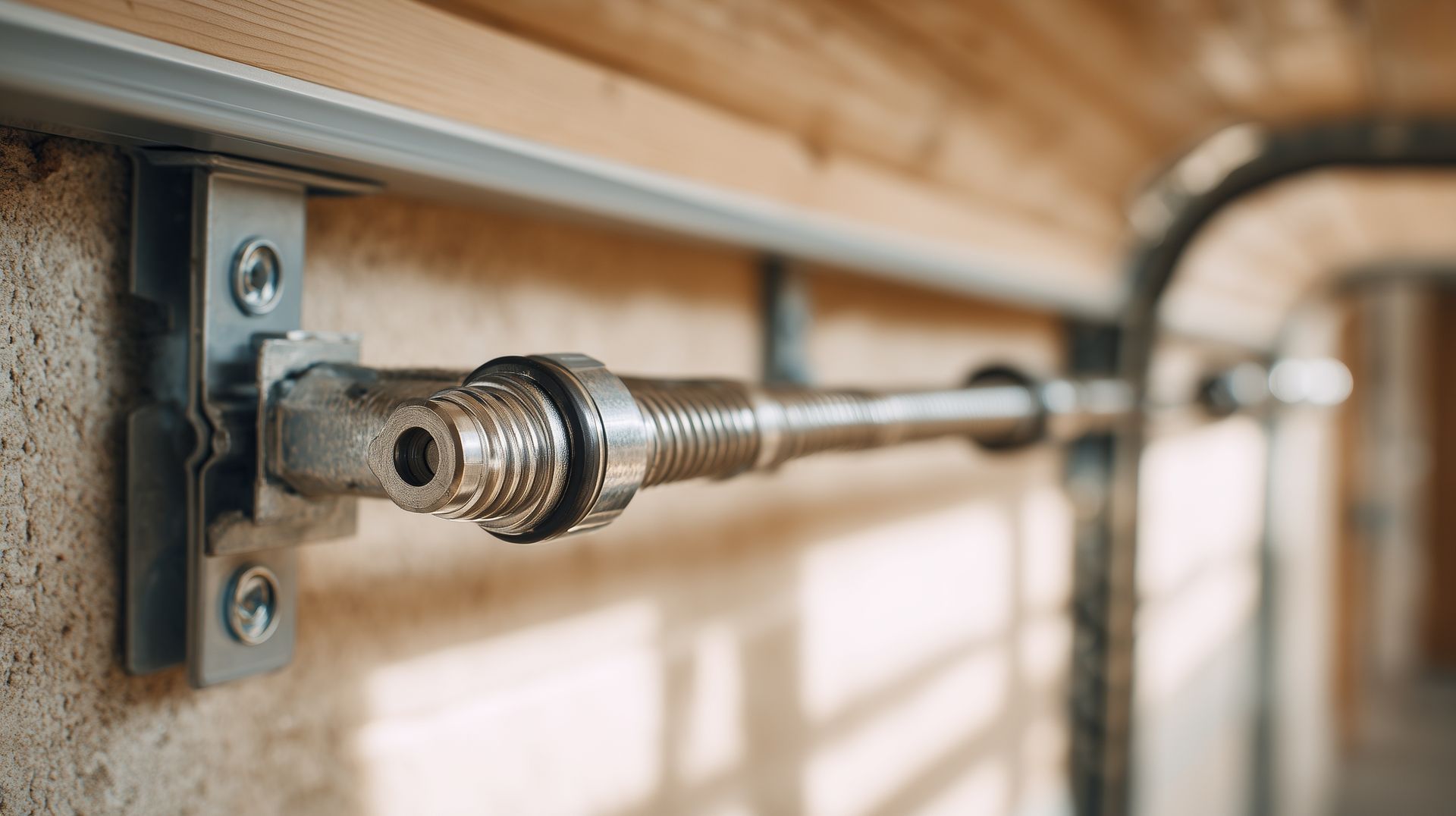
Garage door springs are essential for the smooth operation of your garage door. They counterbalance the door’s weight, allowing it to open and close effortlessly. Without these springs, the door would be too heavy for the opener to manage, and the system would fail. Why Springs Matter There are two main types of springs: torsion springs (above the door) and extension springs (on the sides). Both help lift and lower the door, reducing strain on the opener and ensuring controlled movement. Without functioning springs, the door may not open, close properly, or could even fall, causing potential injury or damage. Signs of a Problem Uneven Door Movement : The door tilts or moves unevenly. Loud Noises : Snapping or banging sounds may indicate a broken spring. Difficulty Opening : If the door struggles to open, it’s likely a spring issue. Safety Risks Broken springs can cause the door to fall unexpectedly, posing serious safety hazards. Since garage doors are heavy, a broken spring puts the entire system at risk and can damage property or cause injury. Professional Repairs Spring repairs are dangerous and should always be handled by a professional. These springs are under extreme tension, and improper handling can lead to serious accidents. For safe, reliable garage door spring repairs, contact Reliable Garage Door Townsville today. We ensure your door operates smoothly and safely.

By Gretel Phillips
•
February 14, 2026
Your garage door is an essential part of your home’s security and daily convenience, yet it’s easy to overlook until something goes wrong. Like any mechanical system, garage doors require regular maintenance to function smoothly. If you’re noticing any of the following signs, it might be time to schedule a service with a professional garage door technician. Ignoring these issues can lead to more significant problems and even safety hazards. Here are 5 signs your garage door needs service: 1. Unusual Noises or Sounds If your garage door is making strange noises such as grinding, squeaking, or banging when opening or closing, it’s a clear sign that something isn’t right. These noises often indicate issues with the springs, tracks, or rollers. For instance, a worn-out roller or a lack of lubrication can cause friction, leading to loud sounds. If you hear a loud bang or snap, it might mean that a spring has broken. In either case, it’s best to have a professional inspect the door before the problem worsens. 2. The Door Isn’t Opening or Closing Properly A garage door that struggles to open or close, or that gets stuck halfway, may indicate several potential issues, such as: Damaged springs : These provide the necessary tension to lift the door. Misaligned tracks : Tracks that are bent or clogged with debris can prevent smooth movement. Faulty opener : The problem may lie in the opener’s motor or electrical connections. If your door is behaving erratically, it’s time to call in a technician to inspect and repair the system before it gets worse. 3. The Door Moves Unevenly When you open or close the door, it should move smoothly and evenly. If one side of the door rises or lowers more slowly than the other, this may indicate a problem with the springs, cables, or tracks. Uneven movement puts extra stress on the opener and other components, leading to potential damage and costly repairs down the line. If this happens, contact a professional for a quick fix before it leads to a complete breakdown. 4. Visible Wear or Damage Take a close look at your garage door and its components. Are there any visible signs of damage, such as cracked panels, rusted springs, or frayed cables? These issues not only impact the performance of your door but can also pose a safety hazard. Worn-out components, such as torsion springs or cables, are under extreme tension and can break suddenly. Regular inspections can help catch these problems early, preventing unexpected malfunctions and costly repairs. 5. The Door Won’t Stay Open If your garage door suddenly falls when open or fails to stay in position, the issue is often related to broken springs or a faulty opener. Springs are responsible for supporting the door’s weight and maintaining its position when open. When a spring breaks or loses tension, it can cause the door to fall, posing a serious safety risk. If you notice your door isn’t staying open or is closing on its own, don’t attempt to fix it yourself—call a professional immediately to avoid injury and further damage. Why Regular Garage Door Service Is Important Regular garage door maintenance is essential for keeping your system running smoothly. A trained technician can: Inspect and lubricate moving parts to prevent friction and wear. Adjust spring tension and alignment. Clean the tracks and remove debris. Ensure that safety features, like auto-reverse sensors, are functioning properly. By addressing these minor issues early on, you can avoid larger, more expensive repairs and keep your garage door running safely and efficiently for years to come. Conclusion Your garage door is a critical part of your home’s security and functionality. If you notice any of these 5 signs—unusual noises, uneven movement, or problems with opening or closing—it’s time to schedule a service. Regular maintenance can help prevent breakdowns and extend the life of your garage door. At Reliable Garage Doors Townsville, we specialize in garage door repair and maintenance. Our team of experts can diagnose and fix any issues, ensuring your garage door operates smoothly and safely. Contact us today to schedule a service or request a free estimate.