Why Your Garage Door Is Making Loud Noises (And How to Fix It)
The Most Common Reasons Garage Doors Become Noisy and What You Can Do to Fix Them
A garage door should operate smoothly and quietly. If you suddenly notice grinding, squeaking, or rattling noises when opening or closing your garage door, it could be a sign that something isn’t working properly.
Ignoring these noises can lead to bigger and more expensive problems over time. Understanding the possible causes can help you address the issue before it worsens.

What Causes a Noisy Garage Door?
There are several common reasons why your garage door may start making loud or unusual sounds.
- Lack of lubrication on moving parts such as rollers, hinges, and springs
- Loose hardware like nuts, bolts, and brackets
- Worn rollers that no longer glide smoothly along the track
- Misaligned tracks are causing the door to move unevenly
- Old garage door opener motor is struggling to lift the door
Over time, daily use can cause parts to wear down or become misaligned.
Signs Your Garage Door Needs Attention
Other warning signs usually accompany a noisy garage door.
Look for:
- Loud squeaking or grinding noises
- Door shaking during operation
- Slower opening or closing speed
- Jerky or uneven movement
- Vibrations in the tracks
If you notice any of these issues, it’s best to address them early before they lead to major repairs.
How to Troubleshoot a Noisy Garage Door
Some minor issues can be fixed with simple maintenance.
Try these steps:
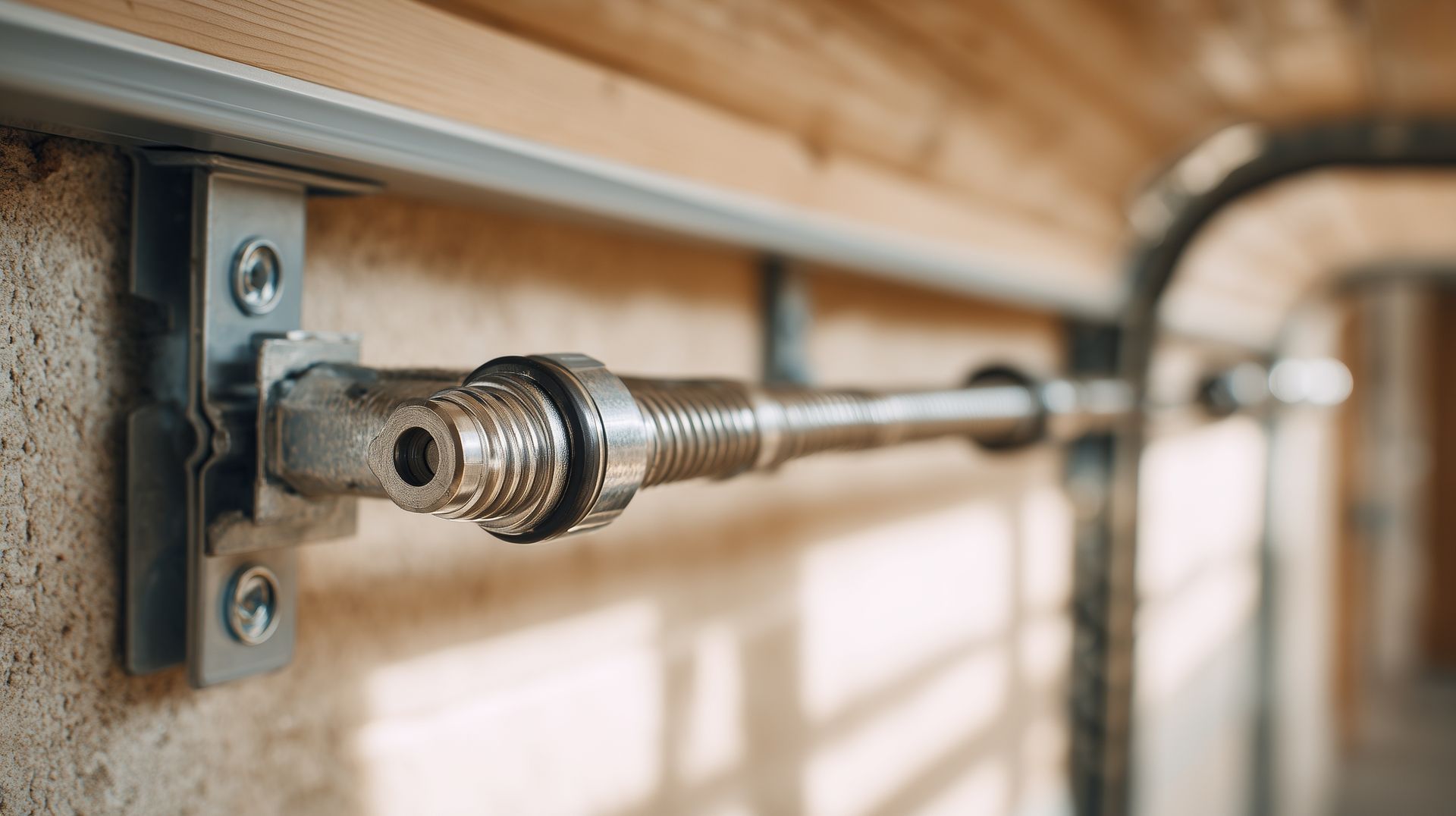
- Lubricate moving parts - Apply a garage-door-safe lubricant to hinges, rollers, springs, and tracks.
- Tighten loose hardware - Use a wrench to tighten bolts and brackets along the tracks and door frame.
- Inspect the rollers - If the rollers look worn or cracked, they may need replacement.
- Check the tracks - Make sure the tracks are clean and properly aligned.
These simple maintenance tasks often solve minor noise problems.
When to Call a Professional Garage Door Technician
Some issues require professional repair to avoid safety risks.
Call a technician if you notice:
- Broken springs
- Bent tracks
- Severe vibration or shaking
- Door coming off its track
Garage doors are heavy and operate under high tension, so attempting major repairs yourself can be dangerous.
How to Prevent Garage Door Noise
Regular maintenance can keep your garage door running quietly and smoothly.
Prevent problems by:
- Lubricating moving parts every 3–6 months
- Inspecting rollers and hinges regularly
- Scheduling annual professional maintenance
- Keeping tracks clean and free of debris
Routine care can significantly extend the life of your garage door system.
A noisy garage door is often an early warning sign that something needs attention. By performing simple maintenance and addressing issues early, you can prevent costly repairs and keep your door operating smoothly.
If your garage door continues to make loud noises or isn’t operating properly, professional assistance may be needed. Contact Reliable Garage Doors Townsville for expert garage door repair Townsville homeowners can trust.
FAQs
1. Why is my garage door suddenly so loud?
A garage door may become loud due to worn rollers, loose hardware, or a lack of lubrication. Regular maintenance can often reduce the noise and restore smooth operation.
2. Is a noisy garage door dangerous?
In some cases, yes. Loud noises may indicate worn springs, misaligned tracks, or damaged rollers that could lead to more serious mechanical issues.
3. How do I stop my garage door from squeaking?
Lubricating the rollers, hinges, and springs with a garage-door-safe lubricant can often reduce squeaking noises.
4. When should I call a professional for garage door noise?
If lubrication and tightening hardware do not solve the issue, a professional technician should inspect the door for worn or damaged components.